




Attack Flow: From Diagrams to Decisions
Attack Flow v4 helps defenders turn incident evidence into connected flows, add the context needed for action, and communicate decisions across technical and executive audiences.

Attack Flow v4 helps defenders turn incident evidence into connected flows, add the context needed for action, and communicate decisions across technical and executive audiences.

Secure AI expanded MITRE ATLAS™ with new techniques, mitigations, case studies, a Technique Maturity filter, and rapid-response and emulation capabilities to strengthen defense of AI-enabled systems.

MITRE Fight Fraud Framework (F3) is a behavior-based model of fraud actor tactics and techniques that gives fraud and cyber defenders a shared structure to describe incidents, relate events, and disrupt fraud outcomes.
MITRE CTID’s latest ambiguous techniques research turns context into confidence with minimum telemetry requirements and a confidence scoring model that helps detection engineers pick the right log sources for robust, low-noise detections.
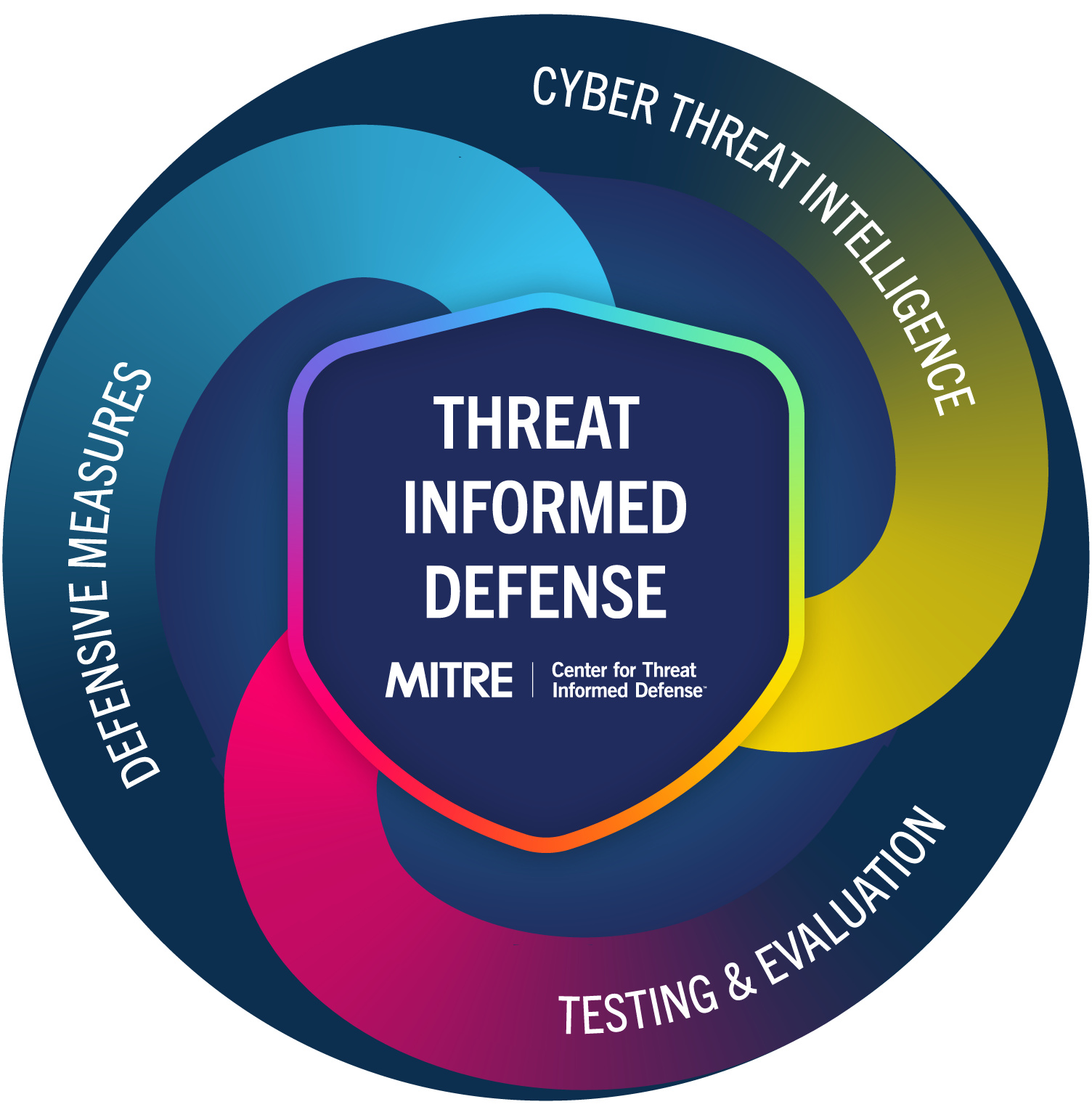
INFORM builds on M3TID to translate threat intelligence, defensive measures, and test & evaluation into a measurable, repeatable practice. Here’s how to use the new assessment to mature your threat-informed defense program.
From large multinationals with mature cybersecurity programs to small startups, organizations around the globe use Attack Flow to track the APTs that are tracking them…
An ambiguous technique is a MITRE ATT&CK® technique whose observable characteristics are insufficient to determine intent. This means that the observable data does not allow us to confidently ascertain whether the intent…

Historically, vulnerability management and threat management have been separate disciplines, but in a risk-focused world, they need to be brought together.

Describing adversarial behaviors in the form of tactics, techniques, and procedures (TTPs) using MITRE ATT&CK® revolutionized detection and response. Focusing on TTPs creates an opportunity for high-fidelity detection of adversaries. If we can detect a behavior, the adversary will need to change …